


Why Chicago Apartments Near Public Transportation Are Your Gateway to City Living
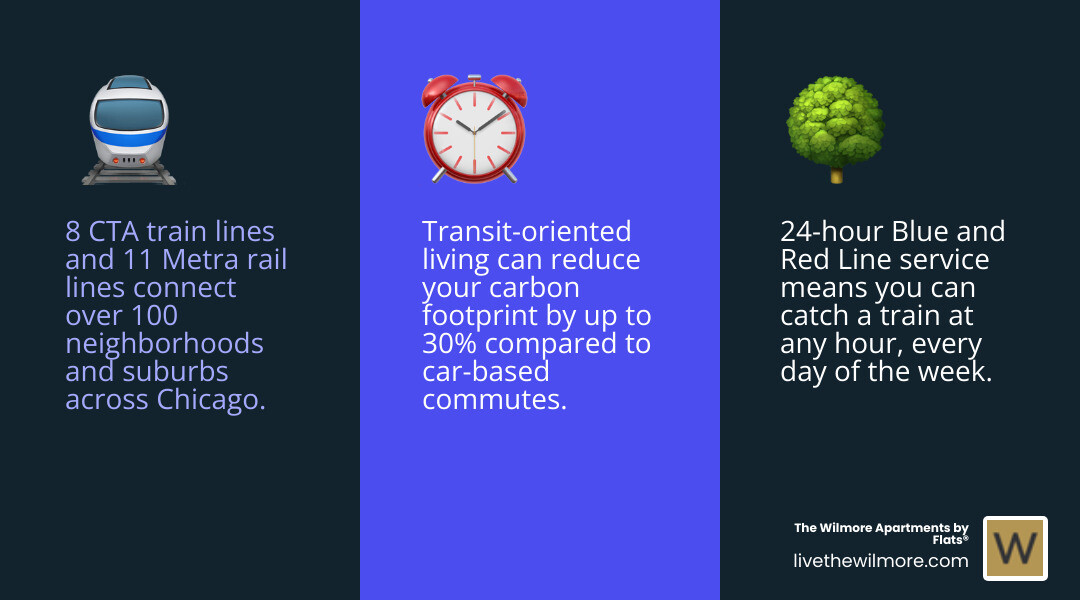
Chicago apartments near public transportation offer the perfect blend of urban convenience and lifestyle freedom that modern renters crave. With over 1,000 apartment rentals specifically located near transit options and Chicago's extensive network of 8 CTA train lines plus 11 Metra rail lines, finding your ideal home steps from the "L" has never been easier.
Quick Answer: Best Transit-Connected Neighborhoods
- North Side: Lakeview, Lincoln Park, Uptown, Edgewater (Red/Brown Lines)
- West Side: Logan Square, Avondale (Blue Line)
- Downtown: Loop, Near North Side (Multiple lines converge)
- Suburbs: Oak Park (Blue Line + Metra, 16-20 minutes to downtown)
Imagine waking up in a modern apartment, sipping your morning coffee, and walking just a few steps to catch a train that whisks you straight to your downtown office. No traffic jams. No parking hassles. No stress.
This is the reality for thousands of Chicago renters who've finded the game-changing benefits of transit-oriented living. Whether you're a tech consultant commuting to the Loop, a creative professional exploring the city's vibrant neighborhoods, or someone who simply values the freedom of car-free living, Chicago's public transportation network opens doors to experiences across the entire metro area.
The numbers tell the story: Chicago's CTA Blue and Green Lines offer 24-hour service, while strategic locations like Oak Park provide lightning-fast 16-20 minute commutes to downtown via Metra. From Uptown's lakefront access to Logan Square's foodie scene, each transit line connects you to distinct neighborhoods with their own character and culture.
Why This Guide Matters
We're living in an era where urban mobility defines quality of life. The traditional car-dependent lifestyle is giving way to smarter, more sustainable choices. In Chicago, this shift is particularly pronounced - residents who choose Chicago apartments near public transportation aren't just making a housing decision; they're embracing a lifestyle that prioritizes time, health, and community connection.
Car-free living isn't just possible in Chicago - it's thriving. The city's comprehensive transit network means you can live comfortably without the burden of car ownership, insurance, parking fees, and maintenance costs.
Why Live Steps from the Train? Top Perks for Renters
Living near Chicago's transit lines transforms your daily routine from a source of stress into an opportunity for productivity and relaxation. Scientific research on transit lifestyle consistently shows that residents of transit-oriented communities report higher satisfaction with their quality of life.
The time-savings alone are remarkable. While Chicago drivers spend an average of 30-45 minutes navigating traffic and searching for parking, transit riders can use their commute time to read, catch up on work, or simply decompress. A stress-free commute sets the tone for your entire day.
Sustainability becomes effortless when you live near transit. Chicago's CTA system helps remove thousands of cars from the road daily, contributing to cleaner air and reduced urban heat island effects. The city's bike-share program, Divvy, strategically places stations near major transit hubs, creating seamless multimodal transportation options.
Walkability transforms from a nice-to-have into a daily reality. Neighborhoods like Lakeview and Lincoln Park achieve Walk Scores above 90, meaning most errands can be accomplished on foot.
Convenience & Lifestyle Wins
Chicago's transit system works around your schedule, not the other way around. The CTA's late-night service means you can enjoy the city's renowned restaurant scene, catch a show at one of the many theaters, or explore the vibrant nightlife without worrying about expensive rideshare fees or designated drivers.
The CTA Bus Tracker revolutionizes how we think about public transportation reliability. Real-time arrival information means you can time your departure perfectly, whether you're heading to work or meeting friends. This technology eliminates the uncertainty that once made public transit feel unreliable.
Environmental & Wellness Boost
Every trip you take on Chicago's public transit system represents a meaningful contribution to environmental sustainability. The city's comprehensive network removes the equivalent of thousands of car trips daily, directly reducing greenhouse gas emissions and air pollution.
Active travel becomes built into your daily routine when you live near transit. The walk to and from stations, combined with the physical activity of navigating the city on foot, contributes to better cardiovascular health and mental well-being.
Community & Culture Along the Rails
Chicago's transit lines aren't just transportation infrastructure - they're cultural arteries that connect you to the city's rich mix of neighborhoods, festivals, and community events. The Red Line connects you to everything from Wrigley Field in Wrigleyville to the vibrant arts scene in Rogers Park.
Each transit line tells a story of Chicago's diverse communities. The Brown Line winds through neighborhoods where you can experience authentic international cuisine in Albany Park, while the Blue Line provides direct access to Logan Square's thriving music venues and craft breweries.
Neighborhood Cheat-Sheet: Which Areas Hug the Rails?

Chicago's transit-oriented neighborhoods each offer distinct personalities and amenities, but they all share one crucial advantage: seamless connectivity to the entire metropolitan area. Understanding which neighborhoods provide the best transit access helps you align your housing choice with your lifestyle priorities.
Lakeview stands out as a premier destination for young professionals and families alike. With multiple Red and Brown Line stations, residents enjoy easy access to downtown while living steps from Lake Michigan. The neighborhood's high density of apartments within walking distance to CTA stations makes it a hotspot for transit-oriented living.
Lincoln Park combines historic charm with modern convenience. The area's proximity to both the lakefront trail and multiple CTA lines creates an ideal environment for active lifestyles. The neighborhood's tree-lined streets and diverse dining options make it particularly attractive to renters seeking a balance between urban amenities and residential tranquility.
Uptown represents one of Chicago's most dynamic neighborhoods, blending business district energy with beachfront leisure. The area's walkability and bikeability, combined with easy train access, make it perfect for urban explorers.
The Loop serves as Chicago's central business district and transportation hub. Living downtown means you're at the center of everything - from world-class dining to cultural attractions. Multiple CTA lines converge here, making it the ultimate transit-oriented location.
Logan Square has emerged as a creative hub with a thriving food scene and vibrant nightlife. The Blue Line provides direct access to downtown and O'Hare Airport, while the neighborhood's character attracts artists, young professionals, and food enthusiasts.
Oak Park, though technically a suburb, offers city-level transit connectivity. The combination of Blue Line and Metra access provides multiple options for reaching downtown, while the community maintains a small-town feel with big-city convenience.
Top North Side Spots for Chicago apartments near public transportation
The North Side represents the gold standard for Chicago apartments near public transportation. The Red Line serves as the backbone of North Side connectivity, running 24/7 from Howard Street down to the Loop and beyond. This reliability makes neighborhoods like Lakeview, Uptown, and Edgewater particularly attractive to renters.
The Brown Line adds another layer of connectivity, winding through Lincoln Park, Lakeview, and continuing northwest through neighborhoods like North Center and Albany Park. This line is particularly popular among commuters who appreciate its above-ground route and scenic views of the city.
Bike lanes throughout the North Side complement the transit system perfectly. The Lakefront Trail runs parallel to many Red Line stations, creating opportunities for multimodal commuting.
West & Central Hotspots
The Blue Line transforms Chicago's west side into a highly connected region with distinct character. Logan Square and Avondale offer some of the city's most vibrant cultural scenes, with the Blue Line providing direct access to downtown and O'Hare Airport.
The Green Line opens up neighborhoods that blend industrial heritage with modern development. Areas like the Near West Side and Pilsen offer unique architectural character and emerging food scenes, all connected by reliable transit service.
The west side's emerging arts districts benefit tremendously from transit connectivity. Neighborhoods like Pilsen and Little Village are experiencing renaissance periods, with new restaurants, galleries, and cultural venues opening regularly.
Suburb Connections That Feel City-Close
Oak Park exemplifies how suburban living can maintain urban connectivity. The village sits just 7 miles west of downtown Chicago, with both Blue Line and Metra Union Pacific West Line service. Station Information - CTA shows that Oak Park residents can reach downtown in just 16-20 minutes via Metra.
Pace buses extend the reach of Chicago's transit system into suburban areas, creating seamless connections between CTA lines and outlying communities. This integration means you can live in quieter suburban settings while maintaining easy access to urban amenities.
The Metra system serves as Chicago's suburban lifeline, with 242 stations across 11 lines extending into Wisconsin and Indiana. This extensive network means that transit-oriented living isn't limited to city neighborhoods - suburban communities throughout the region offer connectivity to downtown Chicago.
CTA Lines & Best Stations at a Glance
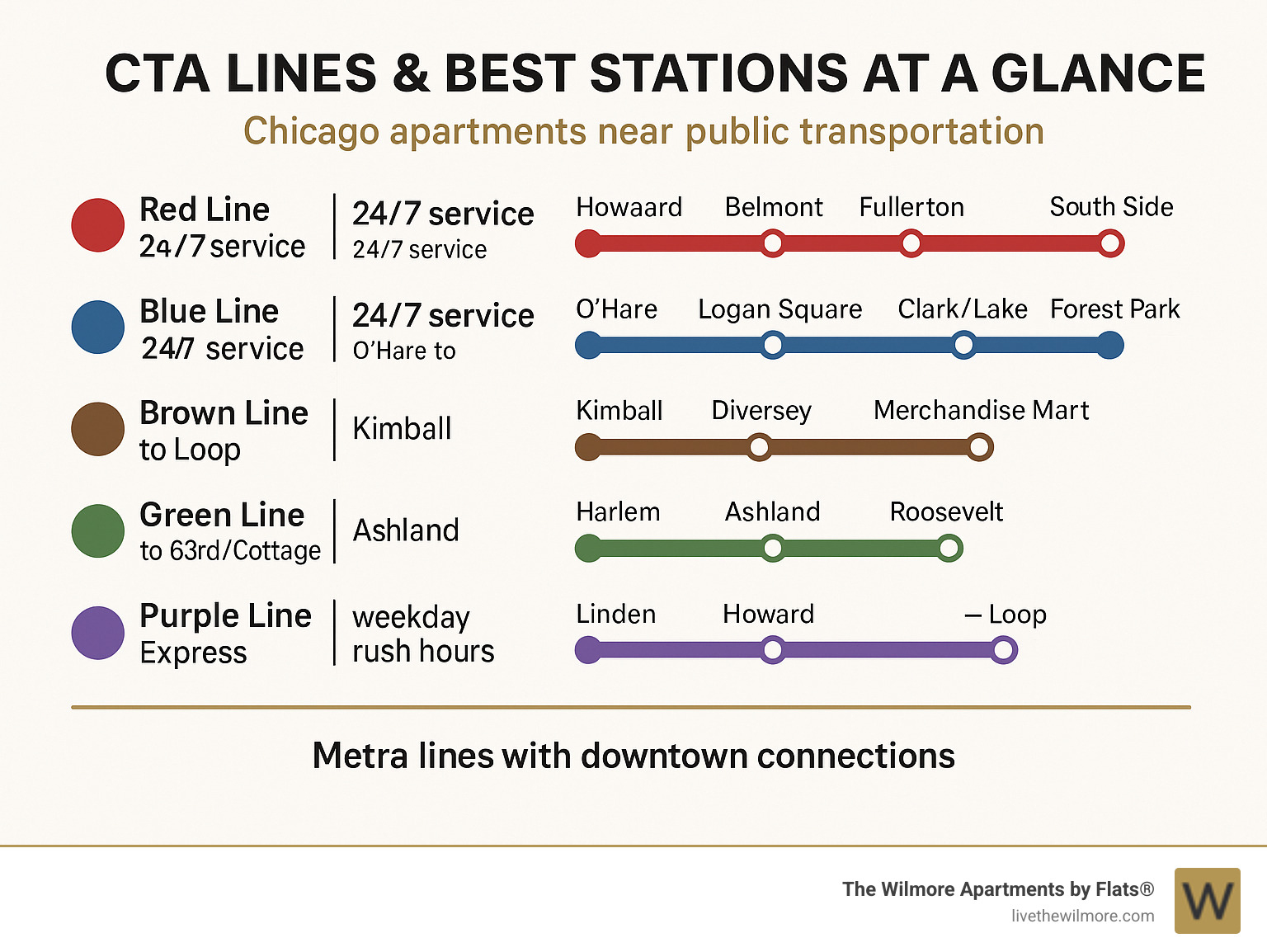
Understanding Chicago's transit lines helps you make informed decisions about where to live. Each line serves different neighborhoods and offers unique advantages depending on your lifestyle and work requirements.
The Red Line stands as Chicago's transit workhorse, running 24/7 from the far North Side to the South Side. Key stations like Belmont, Fullerton, and North/Clybourn serve as major transfer points and neighborhood anchors. The line's reliability and frequency make it particularly valuable for renters who need consistent transportation options.
The Blue Line offers unparalleled connectivity, running 24/7 from O'Hare Airport through downtown to Forest Park. This line serves diverse neighborhoods from Logan Square's hipster enclaves to the Loop's business district. The airport connection makes it invaluable for frequent travelers.
The Brown Line provides a more intimate transit experience, winding through some of Chicago's most desirable neighborhoods. From Lincoln Park's tree-lined streets to Ravenswood's family-friendly atmosphere, the Brown Line connects communities that balance urban amenities with residential charm.
The Green Line has experienced significant revitalization, connecting the Near West Side's emerging districts with downtown and extending south through historic neighborhoods. Recent infrastructure improvements have made this line more reliable and attractive to renters.
The Purple Line Express offers limited but valuable service, providing express connections between downtown and the North Side during rush hours. This service is particularly valuable for commuters who live in Evanston or other northern suburbs.
Metra Electric provides unique connectivity between downtown and the South Side, including service to Hyde Park and the University of Chicago. This line offers a different experience from CTA trains, with longer distances between stops and more suburban-style service.
Fastest Routes to the Loop
Getting to Chicago's downtown core quickly and efficiently drives many housing decisions. The Red and Blue Lines offer the most direct routes to the Loop, with multiple downtown stations serving different parts of the central business district.
Transfer hubs like Fullerton (Red, Brown, Purple) and Jackson (Red, Blue) become crucial decision points for renters. Living near these stations provides maximum flexibility for reaching different parts of the city and suburbs.
The downtown core itself offers multiple station options within walking distance of each other. State/Lake, Washington/Wells, and Clark/Lake stations serve different parts of the Loop, ensuring that downtown workers can find convenient access regardless of their specific office location.
Express services during rush hours can significantly reduce commute times. The Purple Line Express, for example, provides limited-stop service that can save 10-15 minutes compared to local trains during peak periods.
Late-Night Lifelines
Chicago's 24-hour service on the Red and Blue Lines sets it apart from many other major cities. This round-the-clock connectivity means you can enjoy the city's nightlife without worrying about getting home safely and affordably.
The Blue Line's 24-hour service to O'Hare Airport provides best convenience for travelers. Whether you're catching an early morning flight or returning from a late-night arrival, the Blue Line ensures you can reach the airport without expensive taxi or rideshare fees.
Late-night service patterns differ from daytime schedules, with longer wait times between trains. Understanding these patterns helps you plan evening activities and ensures you're not caught waiting on a platform longer than expected.
Safety considerations become more important during late-night transit use. Well-lit stations, security presence, and staying alert to your surroundings are essential practices for safe late-night travel.
Special-Event Shortcuts
Chicago's transit system shines during special events, providing efficient access to major venues without the hassle of parking. The Red Line serves Wrigley Field directly, while multiple lines provide access to the United Center and Soldier Field.
The museum campus becomes easily accessible via multiple downtown stations, making cultural events and exhibitions convenient for transit users. The Roosevelt station on the Red Line provides particularly convenient access to the Field Museum, Shedd Aquarium, and Adler Planetarium.
Festival seasons in Chicago see increased transit service to accommodate crowds. Events like Lollapalooza, Taste of Chicago, and various neighborhood festivals benefit from improved CTA service and special event planning.
Stadium connections vary by venue, but Chicago's transit system generally provides good access to major sports venues. Some routes even include special service to Cubs, White Sox, and Bears games, making it easy to enjoy Chicago's sports culture without driving.
Finding Chicago Apartments Near Public Transportation: Key Tips & Tools

Successfully finding the perfect Chicago apartments near public transportation requires strategic use of modern search tools and a clear understanding of your priorities. The key is balancing proximity to transit with other lifestyle factors like neighborhood character, amenities, and community features.
Search filters have revolutionized apartment hunting in transit-oriented cities. Most major rental platforms now allow you to filter results by distance from transit stations, but understanding how to use these tools effectively makes the difference between finding adequate options and finding your perfect home.
Transit Score metrics provide objective measurements of neighborhood connectivity. These scores consider factors like proximity to transit stops, frequency of service, and variety of transportation options. Neighborhoods with Transit Scores above 70 generally provide good public transportation access.
Virtual tours have become essential tools for evaluating apartments, especially when you're considering multiple neighborhoods. High-quality virtual tours allow you to assess not just the apartment itself, but also the surrounding area and its relationship to nearby transit stations.
Building amenities take on special significance in transit-oriented living. Features like secure bike storage, package lockers, and coworking spaces become particularly valuable when you're living a car-free lifestyle. Chicago Apartments with Amenities showcases how modern buildings cater to transit-oriented residents.
Step-By-Step Search for Chicago apartments near public transportation
Begin your search by identifying your primary destinations - work, school, family, or frequent social activities. Map these locations and identify which CTA or Metra lines provide the most direct access. This geographic analysis forms the foundation of your housing search.
Map-based apps revolutionize how we evaluate transit proximity. Rather than relying on stated distances, these tools show you actual walking routes to stations, including factors like hills, busy intersections, and pedestrian-friendly paths.
Station radius considerations vary by individual preference and physical ability. While a 5-10 minute walk is generally considered ideal, some renters are comfortable with longer walks in exchange for better neighborhood amenities or housing options.
Essential Amenities in Transit-Oriented Buildings
Bike rooms have become essential amenities in transit-oriented buildings. Secure, climate-controlled bike storage protects your investment while encouraging multimodal transportation. Many buildings now offer bike maintenance areas and even bike-sharing programs for residents.
Package lockers address one of the key challenges of urban living - receiving deliveries when you're not home. These secure systems allow you to receive packages 24/7, which is particularly valuable when you're using public transit and can't easily coordinate delivery times.
Coworking spaces within residential buildings reflect the changing nature of work. These shared spaces provide professional environments for remote work, video calls, and collaborative projects.
Modern Apartments Downtown Chicago demonstrates how contemporary buildings integrate amenities that support transit-oriented lifestyles. Features like rooftop lounges, fitness centers, and community spaces become extensions of your living space.
Parking & Multimodal Considerations
Parking decisions become more complex in transit-oriented living. While you might not need daily parking, having occasional access to a vehicle can be valuable. Some buildings offer flexible parking arrangements, including hourly or daily rental options for residents.
Shared car services like Zipcar and car-sharing cooperatives provide vehicle access without ownership responsibilities. Many transit-oriented buildings partner with these services to offer convenient pickup locations for residents.
Scooter docks and bike-share stations extend your transportation options beyond traditional public transit. These services help bridge the "last mile" gap between transit stations and your final destination, making the entire system more flexible and comprehensive.
Frequently Asked Questions about Chicago apartments near public transportation
What is a reasonable walk to a CTA stop?
Most transit planning considers a 5-10 minute walk to be ideal for daily commuting. This translates to roughly 1/4 to 1/2 mile, depending on walking speed and terrain. However, Chicago's grid system and generally pedestrian-friendly infrastructure mean that longer walks can be quite pleasant, especially in well-maintained neighborhoods.
Weather considerations play a crucial role in Chicago. A 10-minute walk that feels comfortable in mild weather might feel challenging during winter storms or extreme heat. Many successful transit-oriented residents are comfortable with slightly longer walks during pleasant weather, knowing they can use alternative transportation during harsh conditions.
Personal factors also influence what constitutes a reasonable walking distance. Age, physical ability, and lifestyle preferences all affect how far you're willing to walk regularly. Some residents prioritize immediate station access, while others prefer slightly longer walks in exchange for better neighborhood amenities or housing options.
How reliable are trains and buses for daily commuting?
Chicago's CTA system maintains generally strong reliability, with on-time performance rates typically exceeding 80% for rail service. The Red and Blue Lines, which offer 24/7 service, tend to be the most reliable for daily commuting. However, reliability can vary by time of day, weather conditions, and specific routes.
Real-time tracking through the CTA's mobile app and text messaging system helps mitigate reliability concerns. Services like the Bus Tracker and train arrival notifications allow you to plan your departure times more precisely, reducing wait times and uncertainty.
Backup options become important for critical appointments. Successful transit commuters often identify multiple route options to their primary destinations, allowing them to adapt when service disruptions occur. This might include alternative CTA lines, bus routes, or ride-sharing services for emergencies.
Weather impacts vary by season and transportation mode. While severe winter weather can affect all forms of transportation, CTA trains generally maintain service during conditions that might make driving dangerous. Summer heat can occasionally cause delays, but the system generally operates reliably year-round.
Are there safety tips for choosing a station-adjacent building?
Station area assessment should include both daytime and evening visits. Walk around potential neighborhoods at different times of day to get a feel for pedestrian traffic, lighting, and general atmosphere. Well-lit, busy stations with good visibility tend to be safer than isolated or poorly maintained areas.
Building security features become particularly important near transit stations. Look for buildings with controlled access, security cameras, and good lighting around entrances. Some buildings employ doormen or security personnel, which can provide additional peace of mind.
Personal safety practices remain important regardless of neighborhood choice. Stay alert to your surroundings, avoid displaying expensive electronics or jewelry, and trust your instincts about potentially unsafe situations. Most Chicago transit stations are safe, but basic urban safety awareness is always prudent.
Community resources can provide valuable safety information. Local police districts often provide crime statistics and safety tips for specific neighborhoods. Online community forums and neighborhood associations can offer insights from current residents about safety experiences and concerns.
Conclusion
Chicago apartments near public transportation represent more than just convenient housing - they're gateways to a lifestyle that prioritizes freedom, sustainability, and community connection. The city's comprehensive transit network, with its 8 CTA lines and 11 Metra routes, creates opportunities for urban living that simply aren't available in car-dependent cities.
The Wilmore stands as a prime example of how modern apartment living can seamlessly integrate with Chicago's transit infrastructure. Located in Uptown, one of the city's most dynamic neighborhoods, The Wilmore offers residents the perfect blend of luxury amenities and urban convenience. Our location provides easy access to multiple transit lines while maintaining the lakefront lifestyle that makes Chicago special.
From our rooftop lounges with stunning lake views to our thoughtfully designed community spaces, The Wilmore caters to residents who appreciate both modern luxury and urban connectivity. The building's proximity to CTA stations means you can enjoy seamless transit access while living in one of Chicago's most vibrant neighborhoods.
The future of urban living is transit-oriented, and Chicago leads the way in creating communities that support this lifestyle. Whether you're a young professional starting your career, a creative seeking inspiration from the city's diverse neighborhoods, or anyone who values the freedom that comes with excellent public transportation, Chicago's transit-connected apartments offer unparalleled opportunities.
Schedule a Tour with The Wilmore today and find how seamless transit access can transform your urban living experience. Our team is ready to show you how the perfect combination of luxury amenities, prime location, and excellent connectivity can improve your life in Chicago.
The choice is clear: accept the freedom, convenience, and community that comes with Chicago apartments near public transportation. Your urban trip awaits, and it all starts with choosing the right home in the right location. Welcome to the future of city living - welcome to transit-oriented luxury at The Wilmore.