


Why Chicago Lofts for Rent Offer a Unique Urban Lifestyle
Chicago lofts for rent provide a stylish alternative to traditional apartments, blending the city's industrial past with modern living. Here's a quick snapshot if you're looking to rent a loft in Chicago:
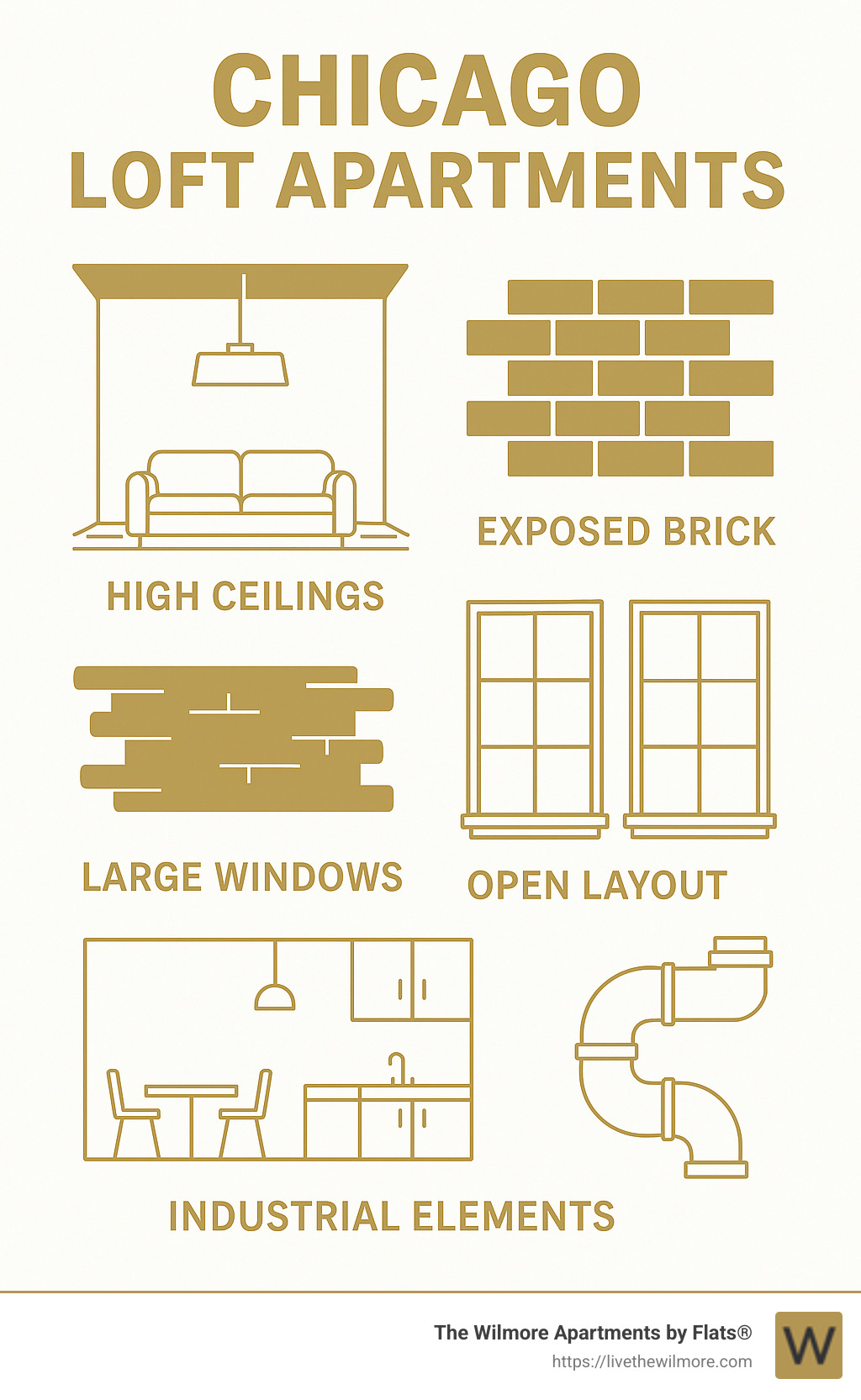
- Typical Features: High ceilings, open spaces, large industrial windows, exposed brick and ductwork.
- Popular Neighborhoods: West Loop, Fulton Market, River North, South Loop, Uptown, Lincoln Park.
- Types to Consider: Warehouse conversions, timber lofts, modern "soft" lofts built to imitate historical styles.
- Amenities to Expect: Rooftop decks, fitness centers, co-working spaces, bike storage, pet-friendly policies.
Loft apartments are not just a uniquely chic living space, but also a lifestyle choice. Originally converted from manufacturing spaces, warehouses, and historic buildings, these apartments preserve industrial charm while offering contemporary comforts.
As one renter shared:
"The loft was well-appointed and well-organized. We mostly took ubers to downtown but could easily walk to nearby stores and restaurants." – Amy Schmutz
If you're tired of cramped, ordinary apartments and looking to step into something more spacious and vibrant, loft apartments in Chicago might perfectly match your urban living needs.
What Defines a Chicago Loft for Rent
When exploring Chicago lofts for rent, you might wonder what exactly sets these unique apartments apart from regular rentals. The charm of a Chicago loft comes directly from its historical roots—they are born out of the city's industrial past. Many loft apartments started life as warehouses, factories, or commercial buildings, carefully converted to residential use while keeping original architectural details intact.
One of the first things you'll notice in an authentic Chicago loft is the exposed brick walls. Far from being hidden behind drywall, these bricks proudly display their factory-era character, warmth, and charm. Another unmistakable feature is the high ceilings, often soaring anywhere from 10 to 20 feet. This extra height gives a spacious, open feel that regular apartments simply can't match.
You'll also spot exposed ductwork, pipes, and timber beams, elements that once served an industrial purpose. Today, these details add an edgy, stylish flair to your living space. Oversized industrial windows, originally installed to let in plenty of natural daylight for factory workers, now flood your home with sunshine, making your loft bright and inviting. Flooring tends to be simple yet stylish—usually hardwood or polished concrete—echoing the building's practical origins.
Perhaps the most defining characteristic of a loft apartment is its open floor plan. Unlike typical apartments divided into numerous smaller rooms, lofts accept wide, flexible spaces with minimal interior walls. This design offers you endless possibilities to create distinct living areas that suit your personal lifestyle and needs.
As one historic loft building description perfectly captures: "River West Lofts retains the essence of its period with original oak timber ceilings and exposed brick." These aren't just aesthetic touches—they're pieces of history, reflecting Chicago's change from manufacturing hub to vibrant urban community.
The historical significance of these buildings isn't just part of the charm—it's part of Chicago's story. Many loft buildings date back to the late 1800s and early 1900s, a period when Chicago was booming as a center of industry. Living in a loft is more than just a housing choice—it's your chance to be part of that rich legacy.
If you'd like to learn more about Chicago’s industrial heritage, consider exploring this resource to see how the city evolved into an industrial powerhouse.
Popular Chicago Neighborhoods for Loft Rentals
Finding the perfect Chicago loft for rent isn't just about the space itself—it's also about the neighborhood you'll call home. Chicago's rich industrial history has left its mark throughout the city, creating pockets where loft apartments flourish. Here's a warm and friendly guide to the neighborhoods that loft-lovers tend to adore.

West Loop & Fulton Market
Originally home to Chicago's busy meatpacking district, the West Loop and adjacent Fulton Market neighborhoods have blossomed into hubs of trendy restaurants, art galleries, and vibrant nightlife. Many former warehouses and food-processing buildings have been beautifully converted into lofts, maintaining their authentic industrial charm. If exposed brick walls and wide-open spaces are your thing, you'll find plenty to love here.
River North
Just north of the Loop across the Chicago River, River North is full of converted industrial and warehouse buildings, now offering some of the city's most stylish loft apartments. Known for its lively art and gallery scene, it's also home to chic restaurants, vibrant bars, and upscale shopping along the Magnificent Mile. Loft apartments in River North often offer a polished urban feel, combining original industrial details with contemporary finishes.
South Loop
You'll find even more authentic Chicago lofts for rent in the South Loop, especially in historic Printer's Row. This neighborhood once housed the city's printing and publishing businesses, and that industrial heritage shines through in converted buildings featuring reinforced floors, oversized windows, and unique architectural touches. Residents enjoy quick access to Grant Park, the Museum Campus, and beautiful lakefront paths—perfect if you're looking to balance downtown convenience with outdoor space.
Uptown
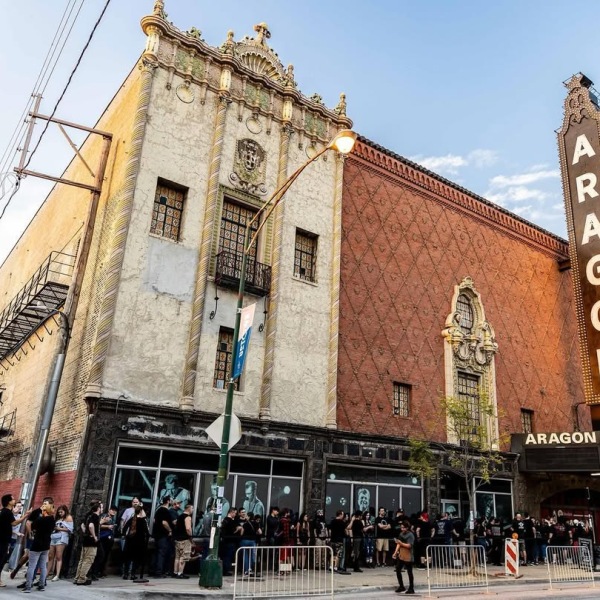
Uptown is a neighborhood filled with character, history, and entertainment. Known for iconic venues like the Aragon Ballroom and Riviera Theater, it provides more affordable loft options compared to downtown areas while still offering excellent amenities and transit connections. This neighborhood is also where you'll find The Wilmore Apartments by Flats®, a perfect example of modern loft-style living blending seamlessly into a vibrant community.
Lincoln Park & Lakeview
Moving slightly north, Lincoln Park and Lakeview offer a more residential feel. Lofts here are often housed in smaller buildings converted from former commercial spaces rather than large industrial complexes. If you're looking for a quieter neighborhood but still want the character of loft living, these areas offer easy access to parks, lakefront trails, and cozy neighborhood cafes.
Bucktown & Wicker Park
Creative energy runs high in Bucktown and Wicker Park. Originally popular with artists attracted to its affordable spaces, these northwest neighborhoods still maintain an artsy vibe with unique loft apartments tucked into former industrial and commercial buildings. Today, you'll find busy independent restaurants, boutiques, and coffee shops just steps from thoughtfully converted loft spaces.
Bronzeville
On Chicago’s historic South Side, Bronzeville is experiencing exciting revitalization. Former warehouses and commercial buildings have been repurposed into appealing loft apartments, often at more accessible price points. If you appreciate architectural history and a community-focused neighborhood, Bronzeville's up-and-coming loft scene might be perfect for you.
If you're curious about Uptown specifically, explore the neighborhood highlights and local attractions here to get a better sense of why this location appeals to so many loft renters.
Historic Districts with the Best Chicago Lofts for Rent
Chicago's loft apartments often reside in neighborhoods once dedicated to manufacturing and commerce. Historic districts around the city offer the most authentic loft experiences, combining rich history with unique architectural detail.
Former manufacturing districts like the West Loop are full of buildings from Chicago’s industrial boom, when meatpacking and food processing dominated the landscape. Many lofts here retain original features like freight elevators, timber beams, and even quirky details such as old factory equipment preserved as design elements.
Warehouse districts—especially in River North and the South Loop—showcase robust construction and ample open space. These sturdy former warehouses often have massive timber beams, original brick walls, and loading-dock doors now transformed into impressive entrances or large windows.
Printing districts like Printer's Row in the South Loop feature buildings specially designed for heavy printing machinery. Today, reinforced floors effortlessly support modern loft living, and those huge windows designed for natural light are perfect for bright, airy interiors.
Arts-focused communities such as Pilsen and East Garfield Park have drawn artists for decades due to their abundance of industrial buildings ideal for live-work spaces. Here, conversions can feel especially raw and authentic, though amenities may be simpler than elsewhere.
Many of Chicago’s historic loft neighborhoods grew along major transportation lines, leaving today's renters with excellent transit access. Living in one of these historic districts connects you to the city’s vibrant past and its ongoing evolution into modern urban living.
Up-and-Coming Areas for Affordable Loft Living
If you're looking for more affordable Chicago lofts for rent, several emerging neighborhoods offer great options with plenty of character and community warmth.
Pilsen, with its strong arts community and vibrant culture, is seeing former factories and warehouses turned into unique loft apartments. The neighborhood is conveniently connected to downtown via the Pink Line train, making commuting simple.
Nearby Bridgeport is another neighborhood seeing steady change. Once a largely industrial and working-class area, Bridgeport now offers affordable loft conversions along the Chicago River, often with impressive views.
On the northwest side, Avondale provides more budget-friendly loft spaces than neighboring Logan Square. Former industrial buildings are being repurposed to create comfortable, spacious apartments. With improved transit options, Avondale continues to grow in popularity.
McKinley Park, located on the South Side, combines industrial charm with green living thanks to its central 15-acre park. Former commercial spaces here offer affordability and easy access via the Orange Line.
Humboldt Park, just west of Wicker Park, is another neighborhood offering budget-friendly loft spaces in converted commercial buildings. It boasts a vibrant community atmosphere, diverse culture, and a large public park at its center.
When exploring these emerging loft neighborhoods, look for transit connections to ensure convenient, car-free living. Many of these areas are rapidly improving their public transportation and amenities, making them ideal places to find affordable, character-rich loft housing.
For an ideal example of affordable yet modern loft-style living, check out The Wilmore Apartments in Uptown, blending neighborhood charm with luxury amenities and great transit access.
What to Expect: Pricing and Features of Chicago Lofts
When you're thinking about Chicago lofts for rent, pricing can vary quite a bit depending on location, size, amenities, and authenticity of the space. On average, lofts in Chicago rent for about $1,913 per month, but the range typically falls between $1,534 and $2,878. Let's explore what factors influence these numbers, so you're ready to find the loft that's just right for you.
Lofts in prime neighborhoods like the West Loop, River North, and parts of the South Loop often carry higher price tags. Why? These areas are buzzing with trendy restaurants, nightlife, galleries, and they're usually close to downtown workplaces. But if you're looking for handy savings without sacrificing charm, neighborhoods like Uptown offer beautiful loft-inspired spaces at a more wallet-friendly price. For instance, The Wilmore in Uptown combines loft-style living with exceptional value and convenient access to transit.
Another key factor is square footage. Loft apartments often feel spacious because of their open layouts and high ceilings. Studio lofts usually offer between 500-800 square feet, one-bedroom lofts typically range from 700-1,200 square feet, while two-bedroom lofts provide around 1,000-1,800 square feet of comfortable living space. For families or roommates, three-bedroom lofts can stretch from 1,500 to over 2,500 square feet. So, there's a wide variety of layouts to match your lifestyle.
You'll also notice pricing differences based on building amenities. Many modern loft buildings include extras like fitness centers, rooftop decks, secure entry with doorman service, co-working spaces, bike storage, and package receiving services. While these conveniences might slightly bump up the monthly rent, they often mean you save money elsewhere—like skipping the gym membership or renting separate office space.
Authenticity also plays a part in loft pricing. Original warehouse conversions with exposed timber beams, brick walls, and historical features may command higher rents. Newer, so-called "soft lofts" built specifically for residential use typically have a more consistent finish and may come at a lower cost. Deciding between authentic charm or modern comforts depends on your personal taste—and your budget.

When comparing lofts across neighborhoods, don't just look at the monthly rent. Think about the total living experience, including utility costs and transportation. Lofts near CTA trains and buses can help you cut down on commuting expenses, making them a smarter choice in the long run. As one satisfied loft renter shared, "Had an amazing stress-free experience. Would highly recommend staying here and would do so again."
Luxury Amenities in Modern Chicago Loft Buildings
Today's Chicago lofts for rent aren't just about historical charm—they also come packed with fantastic luxury amenities to make city living more comfortable and enjoyable.
One of the most popular amenities is rooftop spaces. Many loft buildings transform their roofs into spectacular decks featuring impressive city or lake views, cozy fire pits, grilling stations, and lush greenery. These rooftops become perfect spots to entertain friends or unwind after a long day.
Fitness fans will appreciate state-of-the-art exercise centers equipped with everything from Peloton bikes and weights to yoga and meditation studios. Some loft buildings even go the extra mile with indoor pools, hot tubs, saunas, and steam rooms, making wellness part of your daily routine.
With remote work becoming more common, loft developments often feature stylish co-working spaces. Enjoy access to high-speed internet, private meeting rooms, printing facilities, and comfy lounge areas. These shared workspaces mean you can thrive professionally without stepping outside your building.
If you're bringing along a furry friend, many loft buildings have thoughtful pet-friendly amenities. Look for places with dog-wash stations, indoor pet-relief areas, dedicated dog runs, and even pet-walking services. These thoughtful perks make life easier for both pets and their humans.
Smart building technology is another modern feature worth mentioning. Many loft apartments now include keyless entry, smart thermostats, secure package lockers, and common-area Wi-Fi. These tech touches make everyday life simpler—and a bit more fun!
Finally, loft communities often emphasize resident connection and community engagement. Organized events, demonstration kitchens for cooking classes, movie screening rooms, and comfortable lounges encourage neighbors to become friends, building a stronger sense of community.
The Wilmore Apartments by Flats® in Uptown offer exactly these types of upscale amenities. Curious about exploring more? Check out their comprehensive list of modern amenities here—you'll quickly see how they lift your living experience.
Budget-Friendly Chicago Lofts for Rent
Dreaming of a loft space, but watching your budget? No worries—there are plenty of ways to find affordable Chicago lofts for rent without compromising on style or character.
One excellent option is Chicago’s Affordable Rental Opportunity (ARO) program. Some buildings set aside a percentage of their loft units at lower-than-market rates for qualified applicants. These special units offer the same quality, amenities, and lifestyle benefits—but at a significantly lower rental cost. The Wilmore Apartments, for example, participates in this initiative, making stylish loft living accessible to more Chicago residents.
Opting for smaller units, like studios or one-bedroom lofts, can also help keep costs lower. Even smaller loft spaces still feel open and spacious, thanks to thoughtful layouts, high ceilings, and oversized windows. You might be surprised by how comfortably you can live in a smaller loft apartment.
Exploring older conversions can also yield great value. Lofts developed in the 1980s and 1990s may not have flashy amenities, but they often come with larger floor plans and authentic industrial charm. Plus, they're usually located in established neighborhoods with community amenities nearby, helping you save on monthly rent.
Speaking of amenities—choosing a building with fewer on-site perks can lower your rent. Look for lofts near public parks, local gyms, libraries, or community centers instead. You'll still enjoy great amenities nearby without paying extra each month.
Transportation is another key factor. Lofts close to CTA train lines, bus routes, or bike paths mean you might not need a car. Eliminating car payments, insurance, parking fees, and gas can translate into big monthly savings.
Finally, keep utility costs in mind. Industrial buildings with high ceilings and original windows might impact heating or cooling bills. Ask about typical utility expenses when touring, and look for recent upgrades to windows and HVAC systems for better energy efficiency.
The Wilmore Apartments in Uptown ticks many of these boxes, offering select ARO units and smart loft-inspired design. They blend history, convenience, and affordability seamlessly—perfect if you're on the lookout for value-packed loft living.
The Application Process for Renting a Chicago Loft
Finding your dream Chicago loft for rent is exciting, but securing it requires navigating the application process with confidence and preparation. The competitive nature of Chicago's loft market means being organized and ready to move quickly when you find a space that speaks to you.
Most property managers and leasing offices follow a standard application process, though specific requirements may vary between buildings. You'll typically need to provide valid photo identification, proof of income (usually 2.5-3 times the monthly rent), employment verification through pay stubs or offer letters, and your rental history with references from previous landlords.
Credit expectations generally hover around a minimum score of 650, though this isn't set in stone. If your credit isn't perfect, don't panic—be prepared to explain any issues and demonstrate your current financial stability. Some buildings may request a qualified guarantor or an additional security deposit for applicants with lower credit scores.

When budgeting for your move, upfront costs extend beyond the first month's rent. Typical security deposits range from one to two months' rent, though some buildings have switched to non-refundable "move-in fees" instead. You might also encounter pet deposits or fees, charges for reserving elevators during your move, and utility connection fees.
Most leases run for 12 months, though some buildings offer flexibility with 6, 18, or 24-month terms. Shorter leases typically come with higher monthly rates, while longer commitments might earn you a discount. If you're targeting a specific moving date, start your search 60-90 days in advance, especially during the busy summer rental season when competition peaks.
Pet owners will be happy to know that many loft buildings welcome four-legged residents, though policies vary. Expect potential breed and weight restrictions, pet deposits ranging from $250-500, and monthly pet rent of $25-50 per pet. Most buildings cap the number of pets at two per unit.
At The Wilmore, we've streamlined our application process to make your transition to loft-inspired living as smooth as possible. Our friendly leasing team guides you through each step, from initial paperwork to move-in coordination, ensuring a transparent and efficient experience.
What to Look for During Your Chicago Loft Tour
When you're exploring potential Chicago lofts for rent, it's important to look beyond the initial wow factor of high ceilings and exposed brick. Taking time to evaluate practical considerations will help ensure the space truly works for your lifestyle.
Natural light can make or break a loft experience. Try to visit at different times of day to understand how sunlight moves through the space. Note the number, size, and direction of windows, and consider seasonal light changes—especially important in Chicago where winter days are significantly shorter. Check if neighboring buildings might block light during certain hours.
Sound considerations are particularly important in loft living. During your tour, listen carefully for noise from neighboring units, elevators, or building systems. Consider external noise sources like street traffic, train lines, or nightlife districts. Don't be shy about asking about floor thickness and sound insulation—in open concept spaces, sound travels differently than in traditional apartments.
Storage is often overlooked during the excitement of a loft tour. Authentic lofts sometimes sacrifice closet space for aesthetic appeal, so evaluate built-in storage options carefully. Look for creative storage solutions and assess whether there's potential to add storage furniture without disrupting the flow of the space. Ask if the building offers basement storage units or additional storage rentals.
One of the defining features of true lofts is ceiling height, but not all marketed as "lofts" actually deliver. Measure the actual height and note any variations throughout the unit. Pay attention to dropped ceilings in bathrooms or kitchens, which might affect the overall feel. Consider how the height impacts practical matters like heating efficiency and changing light bulbs.
Climate control deserves careful attention in loft spaces. Ask specific questions about how the HVAC system handles the volume of the space, especially with high ceilings. Check for ceiling fans that help circulate air, and ask about average utility costs in both summer and winter. In older buildings, windows might not be energy-efficient, potentially affecting your comfort and bills.
Electrical capacity is particularly important if you'll be working from home or setting up a studio space. Count outlets and note their placement—older loft conversions sometimes have limited electrical access. Ask about the amperage and circuit capacity, and look for signs of electrical updates in historic buildings.
Take time to inspect appliances and fixtures throughout the unit. Test all faucets, showers, and toilets to check water pressure and drainage. Examine kitchen appliances for brand quality, age, and condition. Don't hesitate to ask about the maintenance history of major systems and appliances.
Building security contributes significantly to your daily peace of mind. Review the entry system and package handling procedures, especially important if you frequently receive deliveries. Ask about camera coverage in common areas and check window and door security, particularly for ground-floor units. Note fire safety features like sprinklers, alarms, and multiple exit routes.
Finally, understand the maintenance services available in the building. Ask whether there's on-site staff or if maintenance is handled by an outside company. Review the process for reporting issues and typical response times. If possible, check reviews from current residents about maintenance responsiveness—this can tell you a lot about daily living experience.
At The Wilmore, we encourage thorough tours and transparent discussions about our loft-inspired spaces. Our team is happy to answer detailed questions about building systems, materials, and maintenance to help you make an informed decision about your next home.
Tips for Securing Your Dream Chicago Loft Rental
The market for Chicago lofts for rent moves quickly, especially for those unique spaces with character and charm. A bit of strategy and preparation can make all the difference in landing the loft you've fallen in love with.
Be application-ready before you start touring. Having your documentation prepared puts you ahead of other applicants who might be scrambling to gather paperwork. Create a digital folder with scans of your ID, recent pay stubs, employment verification, and reference contact information. Some savvy renters even get pre-approved for rental qualification through third-party services, similar to mortgage pre-approval.
When you find "the one," move decisively. Set up alerts on rental websites so you're notified immediately when new listings match your criteria. Schedule viewings for the earliest available time slot, and be prepared to make a decision during or immediately after your tour. In competitive buildings, bringing a completed application and checkbook to viewings can give you a crucial edge.
Make your application shine beyond the basics. Consider including a brief personal introduction explaining why you're excited about the specific building and community. Provide strong landlord references with current contact information, and clearly document your stable employment and income history. If you have the means, offering to pay several months' rent in advance can sometimes tip the scales in your favor.
Have a guarantor option ready if needed. If your application has potential weak spots (like being new to your job or having limited rental history), identify a guarantor with strong credit and income who's willing to co-sign. Have their documentation ready to submit alongside yours. Guarantors typically need income 5-6 times the monthly rent, and some buildings now accept third-party guarantor services for those without personal connections who can assist.
Negotiation isn't limited to the monthly rent. While the base rent might be fixed, especially in managed buildings, other aspects of your lease might have flexibility. Consider negotiating the length of your lease term, your exact move-in date, inclusion of parking or storage space, minor updates before move-in, or reduced pet fees. A respectful, professional approach to negotiation often yields positive results.
Before signing, review your lease thoroughly. Pay special attention to policies about rent increases for renewals, maintenance responsibilities, guest and roommate policies, subletting rights, and early termination options. Understanding these details upfront prevents surprises later.
Building rapport with property representatives can make a difference. Communicate professionally and promptly, express genuine interest in the building community, and ask thoughtful questions that show you're a serious prospect. Following up appropriately after viewings demonstrates your continued interest without being pushy.
At The Wilmore, we value residents who appreciate our unique blend of modern design and urban convenience. Our loft-inspired apartments offer the aesthetic appeal of traditional lofts with the comfort and amenities of modern construction. To experience our available units firsthand, schedule a tour online or contact our leasing team directly. We're happy to guide you through the application process and help you find your perfect new home in Uptown Chicago.
Living the Chicago Loft Lifestyle
When you choose one of the many beautiful Chicago lofts for rent, you're not just selecting a place to live—you're embracing a distinctive urban lifestyle filled with character, creativity, and convenience. Loft living offers a refreshing change from more traditional apartments, shaping the way you experience everyday life in the city.
Work-from-home scenarios are a dream in loft apartments. The open, spacious layouts naturally support distinct yet connected areas for relaxing, dining, and working—all without needing walls. With plenty of natural light from large industrial windows, your workspace stays cheerful and bright, boosting both mood and productivity. Plus, the open spaces and high ceilings help clear your mind and spark creative ideas.
When it comes to entertaining, lofts are truly unbeatable. The seamless openness between kitchen, dining, and living areas lets you host gatherings that flow naturally, whether it's a relaxed dinner with friends or a festive weekend party. Guests will love the dramatic industrial touches—exposed brick walls, timber beams, and oversized windows—that provide natural conversation starters (and Instagram-worthy backdrops).
One of the biggest perks of loft living is design flexibility. Unlike traditional apartments, lofts don't tell you how to arrange your furniture or use your space. Instead, you have endless freedom to create your own living zones using furniture placement, lighting, and décor. Over time, you can easily rearrange and adapt your loft to match your changing lifestyle or tastes. The vertical space means plenty of room for artwork, unique shelving, hanging plants, or even a cozy sleeping loft in studios.
Lofts tend to be located in neighborhoods with fantastic urban convenience. Whether it's the trendy restaurants of Fulton Market, the vibrant nightlife of River North, or Uptown's cultural hotspots near The Wilmore Apartments, loft living puts everything you need within easy walking distance. You'll often find excellent public transportation options nearby, reducing the need for costly car ownership.
Speaking of vibrant culture, loft neighborhoods typically sit at the heart of creative communities. You'll have quick access to art galleries, independent theaters, music venues, and unique local businesses. Whether you're catching a concert in Uptown or exploring the art scene in the West Loop, living in a loft neighborhood means you're always close to the heartbeat of Chicago's creative energy.
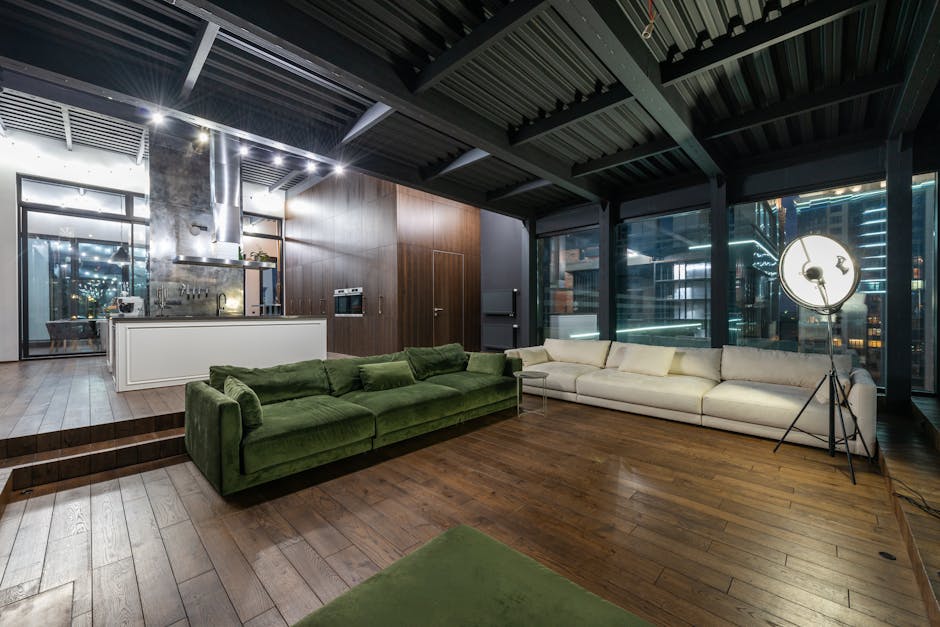
Decorating and Maximizing Your Loft Space
Decorating loft apartments can be a rewarding challenge. The open floor plan and industrial features give you unique opportunities to flex your creativity.
A great strategy for furniture arrangement is to use groupings to create distinct living "zones" rather than dividing spaces with walls. You might position your sofa and chairs around an area rug to create a cozy living space, or place a desk and bookshelf in another corner as a home office nook. Taller pieces like bookcases or open shelving can serve as natural room dividers, helping to break up large spaces without blocking sightlines or natural light.
Speaking of storage—lofts often require clever solutions. Vertical space is your friend! Consider installing tall shelving units or floating shelves to store books, plants, and décor. Furniture that doubles as storage (like platform beds or storage ottomans) can help keep things tidy. In multi-level units, under-stair storage or lofted sleeping spaces can greatly expand your usable living area.
Lighting is key in lofts, especially with high ceilings. Mix and match overhead track lighting, pendant lamps over kitchen islands, and floor lamps to create warm, inviting spaces. Adjustable lighting fixtures let you highlight architectural elements like exposed brick or beams, adding to the overall industrial-chic aesthetic.
Acoustics can also be a consideration in open loft layouts. Soft furnishings, area rugs, and even hanging tapestries help absorb sound and keep echo under control. These additions not only improve sound quality but also improve your comfort, making your loft feel cozy despite its industrial origins.
Loft apartment décor accepts industrial charm rather than hides it. Vintage industrial furniture, metal and wood finishes, and exposed elements like ductwork or pipes can become focal points. By blending these raw features with warm textiles and personal décor, you'll create a home that's uniquely yours—modern, inviting, and full of character.
Pet-Friendly Considerations in Chicago Loft Rentals
For pet lovers, choosing a pet-friendly Chicago loft is a natural fit. However, it's important to understand typical pet policies and how to ensure your furry friend feels at home in loft-style living.
While most loft buildings welcome pets, there are typically some restrictions to consider. Common policies include weight limits (usually up to 40-50 pounds), breed restrictions (especially for dogs), and limits on the number of pets per apartment. Always verify the specific details with your building's management team before moving in.
Pet deposits or monthly pet fees are common, and it's a good idea to factor these into your rental budget. Typically, you'll find a one-time deposit (often between $250-500) and monthly pet rent (around $25-50 per pet).
Many modern loft buildings now offer fantastic pet amenities. You'll often find designated dog runs, pet relief areas, and even pet washing stations—perfect after a muddy walk around town. Some properties also organize community pet events, making it easy to connect with fellow pet owners and help your furry friend make new pals.
Location matters for pets, too. Check for convenient access to nearby parks, trails, or pet-friendly businesses like cafes and groomers. Easy access to outdoor green spaces makes apartment living smoother for both you and your pet.
At The Wilmore Apartments by Flats®, we've thoughtfully built pet-friendly living into our community. From convenient pet amenities to welcoming communal spaces, we make sure your four-legged roommates feel just as much at home as you do.
Frequently Asked Questions about Chicago Lofts for Rent
What is the average cost of renting a loft in Chicago?
When looking at Chicago lofts for rent, you'll find the average cost is around $1,913 per month. However, this figure can shift significantly depending on a few key factors.
Neighborhood plays a huge role. Established neighborhoods like West Loop, River North, and South Loop typically come with premium rental prices—often in the $2,200 to $2,900 range or even higher. Mid-range neighborhoods, such as Uptown, Lincoln Park, and Bucktown, offer loft rentals averaging between $1,800 and $2,300. Emerging neighborhoods like Pilsen and Bridgeport tend to be the most budget-friendly, often priced between $1,500 and $1,900.
Size and layout also affect pricing. Studio lofts usually fall between $1,500 and $1,900, while one-bedroom units range from $1,800 to $2,500. If you're looking for more space, two-bedroom lofts typically cost in the range of $2,300 to $3,200, with three-bedroom lofts starting around $2,800 and going up from there.
The amenities a building offers will typically influence rental costs too. Luxury buildings with rooftop decks, fitness centers, co-working spaces, and concierge services can add an extra $200 to $400 per month compared to buildings with more basic amenities.
Finally, there's an authenticity premium. Historic loft conversions—those retaining original hardwood floors, exposed brick, and unique industrial features—can cost around 10-15% more than newer "soft loft" buildings offering a similar square footage.
It's always important to consider what you're getting for the cost. Lofts generally provide more square footage and a unique character compared to standard apartments. Plus, being centrally located in walkable neighborhoods could save you money on transportation expenses.
At The Wilmore Apartments by Flats®, you can find loft-inspired living at various price points—including affordable options through Chicago's ARO program—making stylish urban life accessible for a wide range of budgets.
Are utilities typically included in Chicago loft rentals?
When browsing Chicago lofts for rent, it's important to ask about utilities. What's included can vary greatly depending on the building.
Heating in older loft buildings often comes from central radiator or boiler systems and is sometimes included in the rent. In newer or individually metered units, you'll likely be responsible for heating costs—something to keep in mind, especially during Chicago winters.
Air conditioning is rarely included. Most lofts have central air installed during recent renovations, but older buildings could use window or wall units. Large open spaces and high ceilings may slightly increase your cooling expenses in the summer months.
Water and sewer charges are usually included in your monthly rent or building fees. However, some newer loft communities may have individual water meters—so it's worth confirming during your tour.
Electricity is almost always the renter's responsibility. Lofts' large open spaces and the need for additional lighting can lead to slightly higher electric bills. If appliances are all-electric (such as the stove or heating), electricity costs can be higher still.
Internet and cable services are typically up to residents to set up individually, although occasionally newer loft buildings will provide discounted building-wide internet packages or Wi-Fi in common areas.
Common maintenance services like trash removal, recycling pickup, snow removal, and building upkeep are usually included in your rent or building fees.
The best way to budget accurately is to ask the leasing agent or building manager for average monthly utility usage. At The Wilmore Apartments, we're always happy to provide clear information about what utilities residents cover and what's included, helping you plan effectively for your new loft lifestyle.
What should I know about parking when renting a Chicago loft?
Parking can be a big factor when considering Chicago lofts for rent. Many historic loft buildings in Chicago were built before owning a car was common, so parking options may vary widely from building to building.
Garage parking is typically the most convenient and secure option, often available directly in your building or nearby garages. Expect monthly rates ranging between $200 and $300. Some buildings might have limited garage spots, so be sure to ask about availability or waitlists.
If garage parking isn't an option, street parking is another possibility. Most Chicago neighborhoods have resident permit zones that cost roughly $25 annually. Keep in mind: permits don’t guarantee available spaces, especially in busier neighborhoods. Be aware of parking restrictions or seasonal rules, especially during Chicago’s snowy winter months.
Fortunately, many loft districts are extremely public transit-friendly, meaning you might not need a car at all. Neighborhoods like West Loop, River North, and Uptown offer easy access to CTA trains and buses, making your daily commute easier without the hassle of parking.
If you're a cyclist, look for loft buildings offering secure bike storage, maintenance stations, or close proximity to Chicago's extensive bike lane network. Many buildings are also conveniently located near Divvy bike-share stations.
Finally, consider car-sharing services like Zipcar if you occasionally need a vehicle but prefer not to own one. Many loft neighborhoods have dedicated car-share parking spots, offering affordable convenience without the commitment of car ownership.
At The Wilmore Apartments, our Uptown location provides excellent public transit options, convenient bike-friendly amenities, and flexible parking solutions—so you can pick the transportation style that suits your lifestyle best.
Conclusion
The allure of Chicago lofts for rent extends far beyond their distinctive physical characteristics. These unique urban spaces offer a lifestyle that's simultaneously rooted in the city's industrial past while embracing contemporary urban living. From the moment you step into a true Chicago loft, you're experiencing a piece of architectural history transformed for modern life.
Throughout the neighborhoods of Chicago—whether you're exploring warehouse conversions in the busy West Loop, admiring timber lofts in vibrant River North, or finding loft-inspired designs like those at The Wilmore in Uptown—you'll find spaces that speak to different preferences, needs, and budgets. Each offers its own interpretation of loft living while maintaining the essential elements that make these spaces so coveted.
What makes loft living so appealing is much more than aesthetics. These homes offer unique architectural character with original industrial elements that simply can't be replicated in conventional construction. Their versatile, open spaces adapt effortlessly to changing needs and creative arrangements, making them ideal for today's fluid lifestyles. Most are positioned in prime locations within Chicago's most dynamic neighborhoods, putting the best of urban living right at your doorstep. Perhaps most importantly, loft buildings often attract like-minded communities of residents who share an appreciation for distinctive urban spaces.
While loft living does present some practical considerations—managing heating costs for those soaring ceilings or creating clever storage solutions in open layouts—residents consistently find these minor challenges far outweighed by the distinctive character and generous feel of their homes. As Victor D'Orazio-Cruz, a satisfied resident, shared: "Had an amazing stress-free experience. Would highly recommend staying here and would do so again."
The evolution of Chicago's loft market continues to unfold in exciting ways. Historic conversions that preserve authentic industrial elements now share the market with thoughtfully designed new construction that incorporates loft-inspired features. Buildings like The Wilmore represent this evolution beautifully, offering the aesthetic appeal of loft living alongside modern amenities and energy-efficient design.
Whether you're drawn to the raw authenticity of a true industrial conversion or prefer the contemporary interpretation of loft style with modern conveniences, Chicago's rental market offers compelling options across diverse neighborhoods and price points. By understanding the defining characteristics of genuine loft spaces, knowing which questions to ask during viewings, and preparing strategically for the application process, you'll be well-positioned to find your ideal Chicago loft home.
For those intrigued by loft-inspired living at The Wilmore, we invite you to explore our gallery to see how we've created spaces that honor the loft aesthetic while providing all the comforts and conveniences that make urban living truly exceptional. Your perfect Chicago loft awaits—a space where history, design, and modern living come together to create something truly special.