


Why Uptown Chicago Stands Out as One of the City's Most Dynamic Neighborhoods
The uptown chicago neighborhood represents one of Chicago's most fascinating communities, where nearly a century of entertainment history meets modern urban living along the shores of Lake Michigan. Located just six miles north of downtown Chicago, this vibrant area has earned recognition as the city's entertainment hub while maintaining its authentic neighborhood character.
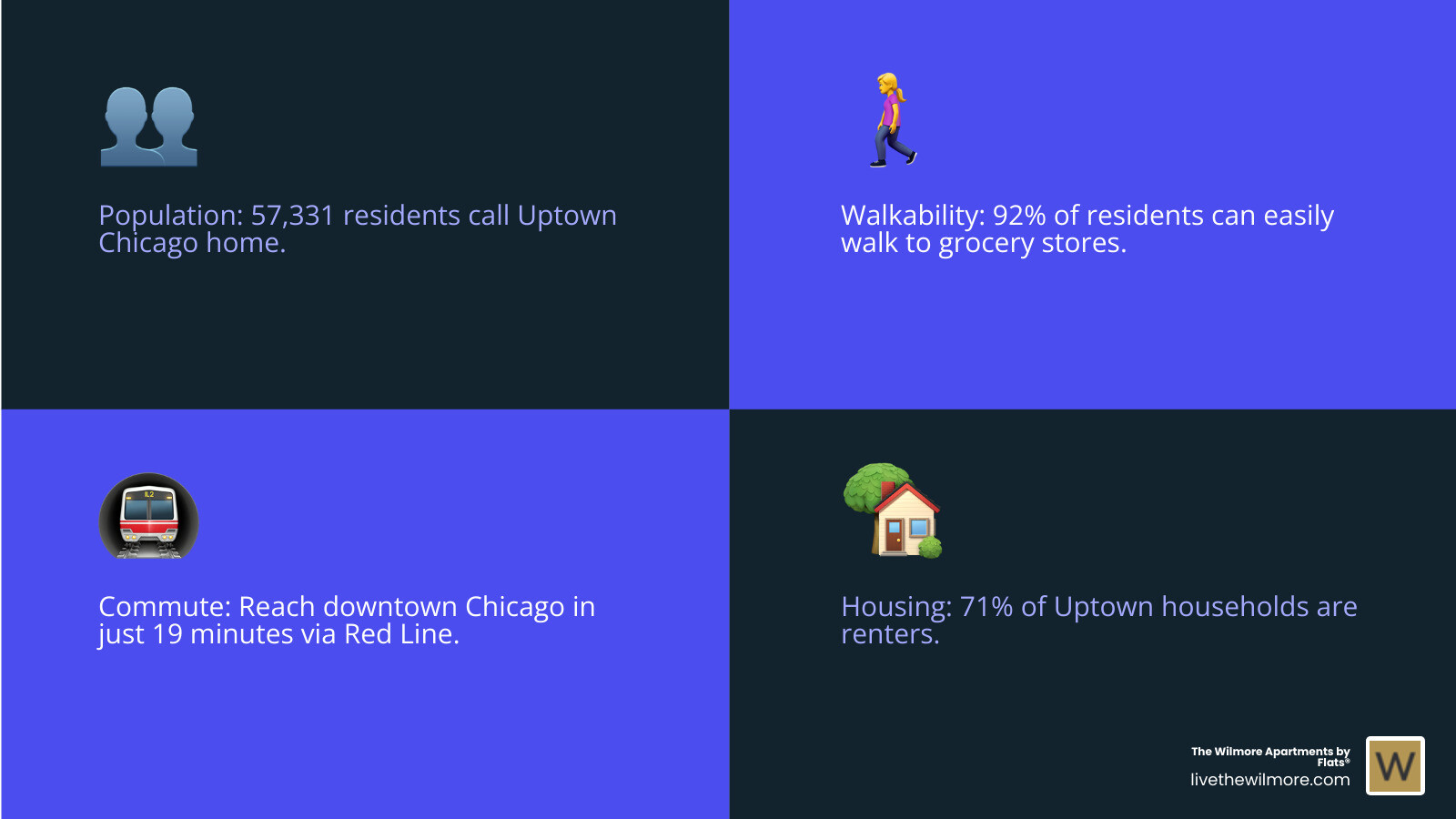
Quick Facts About Uptown Chicago:
- Population: 57,331 residents in a dense urban setting
- Location: Bounded by Foster Avenue (north), Irving Park Road (south), Lake Michigan (east), and Ravenswood Avenue (west)
- Transportation: Direct Red Line access with 19-minute commute to downtown
- Walkability: 92% of residents can walk to grocery stores, 91% to restaurants
- Demographics: 71% renters, 29% homeowners with median household income of $77,428
- Character: Historic entertainment district with diverse cultural communities
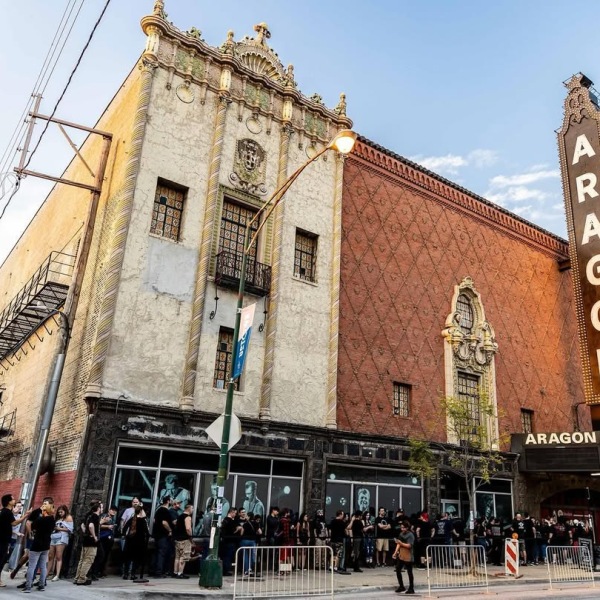
Uptown's story began as a summer resort destination in the 1830s, but it truly came alive during the Jazz Age of the 1920s and 1930s. The neighborhood earned its reputation as "the Loop's little brother" thanks to iconic venues like the Aragon Ballroom, Riviera Theater, and the legendary Green Mill Cocktail Lounge - where Al Capone once held court in his regular booth.
Today, Uptown maintains this entertainment legacy while embracing remarkable diversity. The "Asia on Argyle" district pulses with Vietnamese, Thai, and Cambodian culture, offering everything from authentic pho to the popular Argyle Night Market that draws over 40,000 annual attendees. Meanwhile, tree-lined streets in Buena Park showcase Prairie-style mansions, and the lakefront provides easy access to Montrose Beach and its dog-friendly areas.
What makes Uptown particularly appealing to urban professionals is its blend of historic charm and modern convenience. With 95% sidewalk coverage, excellent public transit connections, and a walkable layout that connects residents to diverse dining, shopping, and entertainment options, it offers the authentic Chicago neighborhood experience many seek.
The Storied Past and Rich History of Uptown
The uptown chicago neighborhood tells a remarkable story that spans nearly two centuries, changing from a peaceful lakeside retreat into one of Chicago's most dynamic entertainment districts. What began as a quiet summer resort town in the 1830s evolved into something truly extraordinary by the early 20th century - the largest commercial and entertainment center outside the Loop itself.

The neighborhood's golden age arrived during the roaring 1920s and 1930s, when Uptown became the heartbeat of Chicago's Jazz Age. Even Prohibition couldn't dim the lights of this entertainment paradise - if anything, it made the nightlife scene more thrilling. The area buzzed with theaters, clubs, and shops, while construction boomed to create the dense urban landscape we know today.
During this exciting era, Uptown played an unexpected role in Hollywood's early days. Essanay Studios set up shop on Argyle Street, where legends like Charlie Chaplin and Gloria Swanson created their cinematic magic. This film legacy lives on - over 480 movies have used Uptown as their backdrop, making it one of Chicago's most photographed neighborhoods.
The post-war decades brought waves of new residents who each added their own chapter to Uptown's story. In the 1950s, families from Appalachia and the South found their new home here, earning the area the nickname "Hillbilly Heaven." The neighborhood also became a central gathering place for Chicago's Native American community. These diverse groups created the rich cultural mix that makes Uptown so special today.
Since 2000, the uptown chicago neighborhood has experienced a renaissance. New development has brought modern housing options while community efforts work to preserve the authentic character that makes this area unique. It's a delicate balance between honoring the past and embracing the future.
Historic Entertainment Venues: Then and Now
Walking through Uptown today, you can still feel the pulse of its entertainment legacy. The neighborhood's historic venues aren't museum pieces - they're living, breathing parts of the community that continue to draw music lovers from across the city.
The Aragon Ballroom stands as a testament to Uptown's enduring appeal. Built in 1926, this architectural gem has welcomed legendary performers for nearly a century. Its ornate Spanish-style interior still hosts concerts across every genre, proving that great venues never go out of style.
Just down the street, the Riviera Theatre continues its own remarkable journey. Originally designed as a Jazz Age movie palace, it found new life as a concert venue in the 1980s. Today, it remains one of Chicago's premier music destinations, where both emerging artists and established stars take the stage.
The Uptown Theatre represents perhaps the neighborhood's greatest architectural treasure. As Chicago's largest movie palace and a designated landmark, this ornate building captures the grandeur of entertainment's golden age. While restoration efforts continue, the theatre stands as a symbol of the community's commitment to preserving its heritage.
No discussion of Uptown's entertainment scene would be complete without mentioning the legendary Green Mill Cocktail Lounge. For over 100 years, this intimate jazz club has maintained its authentic atmosphere. Al Capone once claimed a regular booth here, and today's visitors can still feel that Prohibition-era magic while enjoying world-class jazz performances and poetry slams.
The Baton Show Lounge has been breaking barriers for over 50 years as an iconic drag venue. After relocating to Uptown, it continues to present spectacular shows nightly, welcoming both longtime fans and curious newcomers to experience this vibrant part of Chicago's entertainment culture.
For those seeking a more laid-back vibe, Carol's Pub delivers authentic country and western music in a friendly, down-to-earth setting. It's the kind of place where everyone feels welcome, whether you're a longtime regular or just finded it last week.
These venues collectively attract over 240,000 visitors each year, proving that Uptown's entertainment district remains as vital today as it was during its Jazz Age heyday.
Cultural and Architectural Landmarks
Beyond the bright lights of its entertainment venues, Uptown offers quieter treasures that showcase its rich cultural heritage. Graceland Cemetery provides a peaceful escape from urban energy, featuring stunning Victorian-era art, architecture, and landscape design. This historic cemetery serves as the final resting place for many notable Chicagoans while functioning as a fascinating outdoor museum.
The Hutchinson Street Historic District showcases some of Chicago's finest residential architecture. Here, Prairie-style mansions stand as neat reminders of Uptown's prosperous early decades, when wealthy families chose this lakefront community for their grand homes.
The Sheridan Park Historic District, established in 1985, protects another collection of architectural gems. These preserved buildings help maintain the neighborhood's distinctive character, while the Dover Street landmark district, added in 2007, extends this protection to even more historic structures.
Throughout the neighborhood, stunning Art Deco buildings catch the eye with their geometric patterns and stylized details. These structures reflect the optimism and design innovation of Uptown's entertainment boom years, when architects pushed creative boundaries to match the area's dynamic spirit.
History enthusiasts can dive deeper into Uptown's visual past through Explore Chicago Collections, a digital archive maintained by Chicago's cultural institutions. These historic photographs offer glimpses into daily life during the neighborhood's most colorful eras.
Exploring the Diverse Districts of the Uptown Chicago Neighborhood
The uptown chicago neighborhood truly feels like a "city within a city," where each corner tells its own story. As you wander through these streets, you'll find that Uptown isn't just one community—it's a collection of distinct cultural pockets and local business corridors that come together to create something wonderfully unique.

Asia on Argyle: A Hub of Culture and Cuisine
Step off the Red Line at Argyle Station, and you'll immediately sense you've entered something special. The Asia on Argyle district—also lovingly called "Little Vietnam" or "Little Saigon"—pulses with energy and authentic flavors that transport you halfway around the world.
This vibrant stretch has quite a story. What was once a Jewish community transformed dramatically in the 1970s when Vietnamese and Cambodian refugees made this area their home. Today, the blocks surrounding the Argyle station buzz with Asian-American businesses, creating one of Chicago's most celebrated culinary destinations.
The food scene here is absolutely incredible. Vietnamese pho shops sit alongside Thai restaurants and Cambodian bakeries, each offering authentic tastes that locals and visitors crave. The James Beard Award-winning Sun Wah BBQ draws crowds for its famous off-menu Beijing duck dinner, while neighborhood favorites serve up everything from fresh banh mi to steaming bowls of pho. You'll find detailed recommendations in our guide to Places to Eat in Uptown Chicago.
The cultural celebration extends far beyond dining. During summer months, the Argyle Night Market transforms the street into a festival of vendors, live entertainment, and cultural performances that attract over 40,000 people annually. When winter arrives, the Argyle Lunar New Year celebration brings colorful parades and traditional festivities that showcase the rich heritage of this thriving community.
Distinctive Residential Pockets: Buena Park, Sheridan Park, and Andersonville
While Asia on Argyle captures much attention, the uptown chicago neighborhood contains several other distinctive areas, each with its own personality and charm.
Buena Park feels like stepping into a different era. Originally designed as a peaceful retreat from city life, this area showcases tree-lined streets filled with historic homes and stunning Prairie-style mansions. Despite the presence of modern high-rises, Buena Park maintains its historic character while offering residents easy access to Montrose Beach and Harbor.
Sheridan Park combines residential charm with academic energy. The Sheridan Park Historic District protects the area's unique architecture, while Harry S Truman College brings a vibrant student presence to the local boutiques and restaurants. The mix of historic homes and small businesses creates a welcoming neighborhood feel.
The southern portion of Andersonville extends into Uptown along Clark Street, bringing with it a rich Swedish heritage and eclectic character. Here you'll find independent boutiques, diverse restaurants, and cultural venues like the Black Ensemble Theater that add to the area's artistic spirit.
Finally, Margate Park occupies the northeast corner of Uptown with its residential high-rises and historic buildings. This area offers abundant lakefront amenities and serves as an important community hub, contributing to the neighborhood's inclusive character.
From the busy energy of Asia on Argyle to the quiet, tree-lined streets of Buena Park, these sub-neighborhoods work together to create the dynamic and welcoming character that makes the uptown chicago neighborhood such a special place to call home.
Lifestyle and Amenities in Uptown
Living in the uptown chicago neighborhood means embracing a lifestyle where urban convenience meets genuine community spirit. The neighborhood's impressive walkability - with 95% of streets featuring sidewalks - creates an environment where daily life flows naturally from one experience to the next. Whether you're grabbing groceries (92% walkable), trying a new restaurant (91% walkable), or simply exploring with your dog (94% find it welcoming for pets), everything feels accessible and connected.

The dense urban feel attracts many young professionals who appreciate the neighborhood's authentic character. What's particularly telling is that 50% of residents plan to stay for at least five years - a strong indicator of the quality of life that keeps people rooted here. This isn't just a place to live temporarily; it's a community where people build their lives.
Outdoor Recreation and Green Spaces
Uptown's eastern border along Lake Michigan transforms the neighborhood into an outdoor enthusiast's dream. Montrose Beach serves as the crown jewel, offering far more than just sand and water. This beloved destination features a waterfront restaurant where you can grab a bite after a morning jog, expansive areas perfect for sunbathing or beach volleyball, and surprisingly, its own bird sanctuary.
The Montrose Point Bird Sanctuary creates a peaceful retreat where over 340 bird species make their home throughout the year. It's become a gathering spot for birdwatchers who appreciate having this natural oasis within walking distance of their front door.
Dog owners particularly love the Montrose Dog Beach, where four-legged family members can run freely along the shoreline. Combined with Puptown Dog Park, the neighborhood ensures pets have plenty of space to play and socialize. For those considering the move, exploring Uptown Pet-Friendly Apartments reveals just how welcoming this community is to furry companions.
Lincoln Park stretches south from Uptown, providing vast green spaces for sports, leisure, and those moments when you need to escape the urban energy. Meanwhile, Chase Park and Clarendon Park offer excellent athletic facilities, playgrounds, and indoor sports options. Clarendon Park houses some unique community gems, including the Garfield-Clarendon Model Railroad Club and Kuumba Lynx, a 20-year-old organization focused on urban art and youth development.
Transportation and Commuting
Perhaps nothing defines modern urban living quite like transportation options, and Uptown delivers exceptionally well. The CTA Red Line serves the neighborhood through three key stations - Argyle, Lawrence, and Wilson - creating that coveted direct connection to downtown Chicago in just 19 minutes.
Multiple CTA bus routes weave through the neighborhood, including the #22 Clark, #36 Broadway, #146 Inner Drive Express, and #151 Sheridan. These lines ensure you're connected not just to downtown, but to every corner of Chicago that might call to you.
For those whose work takes them to the northern suburbs, the Metra Ravenswood station on the Union Pacific / North Line provides commuter rail access. And when you need to drive, Lake Shore Drive sits right at the neighborhood's doorstep, offering swift connections throughout the metropolitan area.
What makes transportation in Uptown particularly appealing is the choice it provides. The neighborhood's walkability means only 29% of residents feel they need a car for daily life. Whether you prefer the reliability of the Red Line, the flexibility of multiple bus routes, or the freedom of walking to most destinations, the uptown chicago neighborhood adapts to your lifestyle rather than forcing you to adapt to it.
Community and Education in the Uptown Chicago Neighborhood
The uptown chicago neighborhood thrives on its remarkable community spirit and incredible diversity. With over 57,000 residents calling this area home, Uptown truly represents a melting pot where cultures, backgrounds, and perspectives blend seamlessly together. What makes this neighborhood special isn't just its numbers - it's the genuine warmth you feel walking down the streets, where 62% of residents describe a palpable holiday spirit and 57% consistently mention having friendly neighbors.

This welcoming atmosphere has attracted creative minds and influential figures throughout history. George R. R. Martin, the beloved author behind Game of Thrones, once lived here while volunteering as a VISTA worker. The legendary poet Carl Sandburg called Uptown home from 1912 to 1915, finding inspiration in its busy streets. Other notable residents have included choreographer Bob Fosse and U.S. Representative Ayanna Pressley, showcasing how this neighborhood continues to appeal to talents from all walks of life.
Educational Institutions Serving the Uptown Chicago Neighborhood
Education forms a cornerstone of life in the uptown chicago neighborhood, with institutions serving learners from elementary age through college and beyond. The area takes pride in offering quality educational opportunities that reflect its diverse community needs.
Chicago Public Schools serves the neighborhood through several well-regarded institutions, including Brennemann Elementary, Goudy Elementary, and Senn High School. These schools generally receive above-average ratings and work hard to serve Uptown's multicultural student population.
Higher education thrives here with Harry S Truman College leading the way as a vital part of the City Colleges of Chicago system. This community college provides accessible education and workforce training right in the heart of the neighborhood. St. Augustine College and the American Islamic College add to the academic landscape, offering specialized programs that reflect the community's diverse educational interests.
The Chicago Public Library maintains a strong presence through both the Bezazian Branch and Uptown Branch, providing essential resources, community programs, and gathering spaces that bring neighbors together for learning and connection.
Civic Life and Local Governance
Uptown residents take civic engagement seriously, actively participating in shaping their neighborhood's future. This involvement creates a strong foundation for community decision-making and local advocacy.
Most of the uptown chicago neighborhood falls within Illinois's 9th congressional district, ensuring representation at the federal level. Locally, the area spans four Chicago City Council wards - the 40th, 46th, 47th, and 48th - which means residents have multiple avenues for direct input into city governance and local issues.
The neighborhood consistently supports Democratic Party candidates in presidential elections, reflecting the generally progressive values shared by many residents. This political alignment often translates into strong support for inclusive policies and community development initiatives.
Two key organizations drive much of the neighborhood's civic momentum. Uptown United works tirelessly to foster economic development while strengthening community bonds, focusing on creating a diverse and thriving environment for all residents. The Uptown Chamber of Commerce complements these efforts by promoting local businesses and the neighborhood's overall vibrancy, ensuring that economic growth benefits everyone.
This robust civic infrastructure, combined with residents who genuinely care about their community's future, ensures that the uptown chicago neighborhood remains a dynamic place where voices are heard and positive change happens regularly.
Frequently Asked Questions about Uptown Chicago
What is Uptown Chicago best known for?
The uptown chicago neighborhood has earned its reputation as one of Chicago's most dynamic areas through its legendary entertainment history and incredible cultural diversity. When people think of Uptown, they often picture the iconic venues that have shaped Chicago's music scene for generations - places like the Aragon Ballroom where countless famous musicians have performed, and the Green Mill Cocktail Lounge, where Al Capone once held court and jazz still fills the air every night.
But Uptown's fame extends far beyond its entertainment legacy. The neighborhood is equally celebrated for the vibrant "Asia on Argyle" district, where Vietnamese, Thai, and Cambodian cultures create a busy hub of authentic restaurants, markets, and cultural celebrations. This cultural richness, combined with Uptown's prime location along Chicago's stunning lakefront, makes it a truly unique place to call home.
The neighborhood's history as a Jazz Age hotspot and its role as a welcoming destination for various immigrant communities over the decades has created a character that's both historic and refreshingly modern.
What are the main things to do in Uptown?
Living in the uptown chicago neighborhood means you'll never run out of things to explore. Music lovers can catch incredible live shows at historic venues like the Riviera Theatre or Aragon Ballroom, while jazz enthusiasts can experience the authentic atmosphere at the legendary Green Mill.
Food enthusiasts will find themselves drawn to Argyle Street, where the global cuisine scene offers everything from steaming bowls of pho to authentic Thai curries and Cambodian specialties. The area truly comes alive during the Argyle Night Market, which draws over 40,000 people annually.
For those who love the outdoors, Montrose Beach provides the perfect lakefront escape with its sandy shores, bird sanctuary, and dog-friendly areas. It's an ideal spot for both relaxation and recreation, just steps from your front door.
Architecture and history buffs can spend hours admiring the Prairie-style mansions in Buena Park or exploring the Sheridan Park Historic District. Don't miss Graceland Cemetery, which offers a fascinating blend of art, history, and peaceful green space in the heart of the city.
How accessible is Uptown via public transportation?
Getting around from the uptown chicago neighborhood couldn't be more convenient. The area is exceptionally well-connected through the CTA Red Line, with three stations serving the neighborhood - Argyle, Lawrence, and Wilson. This direct line whisks you downtown in just 19 minutes, making it perfect for commuters who want urban convenience without the downtown price tag.
Beyond the Red Line, Uptown is served by numerous CTA bus routes including the #22 Clark, #36 Broadway, and #151 Sheridan, which connect you to every corner of Chicago. Whether you're heading to work, meeting friends in another neighborhood, or exploring the city, public transit makes it incredibly easy to get where you need to go.
The neighborhood's excellent transportation infrastructure contributes to its impressive walkability scores - 95% of streets have sidewalks, and residents can easily walk to grocery stores and restaurants. This combination of walkability and transit access means many residents find they rarely need a car for daily life, embracing the true urban Chicago experience.
Conclusion
The uptown chicago neighborhood truly stands as one of Chicago's most captivating communities, where nearly a century of entertainment history blends seamlessly with modern urban living. Throughout this journey, we've finded how this remarkable area has evolved from its humble beginnings as a summer resort to become a vibrant cultural hub that continues to draw residents and visitors alike.
What makes Uptown so special is its ability to honor its rich past while embracing the future. The legendary venues like the Green Mill Cocktail Lounge still echo with jazz melodies, while the Aragon Ballroom and Riviera Theatre continue to host world-class performances. Meanwhile, the Asia on Argyle district brings authentic Vietnamese cuisine and cultural celebrations that have become integral to Chicago's identity.
The neighborhood's diverse residential pockets - from the tree-lined streets of Buena Park with their stunning Prairie-style homes to the lakefront charm of Margate Park - offer something for everyone. Add in the incredible outdoor recreation at Montrose Beach, the convenience of Red Line access for that quick 19-minute commute downtown, and the walkability that lets you grab groceries or find a new restaurant on foot, and you have a truly exceptional urban experience.
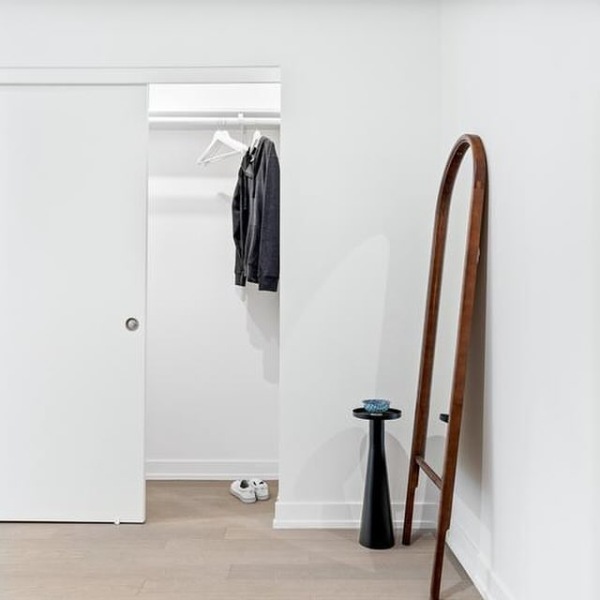
For those seeking luxury living in this dynamic community, The Wilmore Apartments by Flats® offers an exceptional opportunity to be part of Uptown's ongoing story. With modern design that complements the neighborhood's historic character and urban convenience that takes advantage of everything Uptown has to offer, The Wilmore represents the perfect blend of comfort and location.
Whether you're drawn by the vibrant nightlife, the cultural diversity, the lakefront lifestyle, or simply the authentic Chicago neighborhood feel, Uptown delivers an experience that's both timeless and thoroughly modern. To find more about what makes this area so remarkable, we invite you to Explore the Neighborhood and see for yourself why so many people choose to call the uptown chicago neighborhood home.